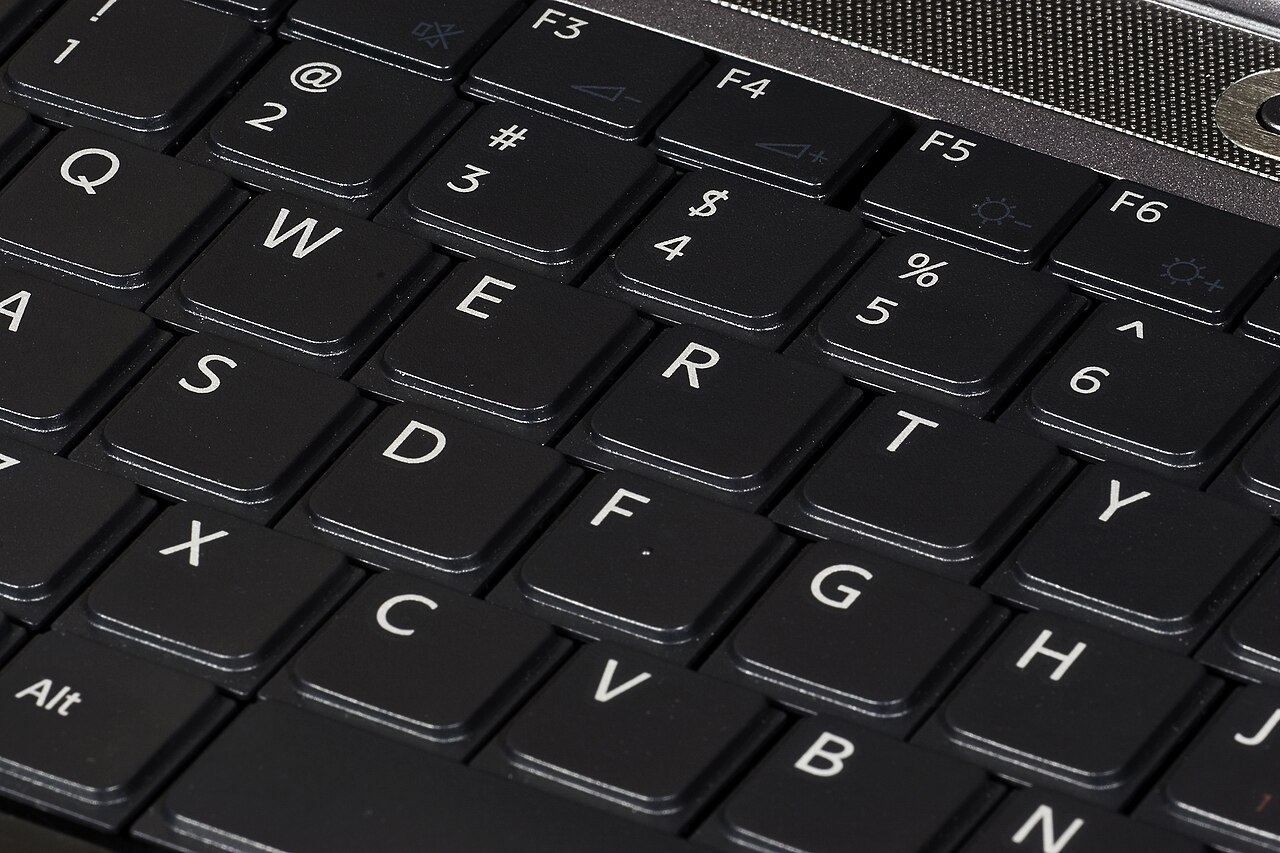
For years, the sleek, glass slab has dominated the smartphone landscape. Touchscreens, once a futuristic marvel, became the undisputed standard, relegating physical buttons to the dusty archives of tech history. Yet, a quiet but distinct shift is underway. Just as flip phones and folding screens have recaptured our imaginations, another relic of a bygone era is experiencing a surprising resurgence: the physical phone keyboard. This isn't just about nostalgia; it's a testament to the enduring appeal of tactile feedback and a growing demand for enhanced productivity in our mobile-first world. Get ready for the phone keyboard comeback.
If you're among those who fondly remember the satisfying click of a BlackBerry, the ergonomic slide of a T-Mobile Sidekick, or the robust feel of a Palm Treo, prepare for some good news. A new wave of innovation is bringing those beloved clicky buttons back, whether as innovative accessories for your existing iPhone or Android device, or as integrated features in entirely new handsets. This isn't just a fleeting trend; it’s a genuine movement, hinting at a QWERTY Renaissance that promises to redefine how we interact with our most personal computers.
The Tactile Revolution: Why Physical Phone Keyboards Are Rebounding
The journey back to physical keyboards isn't a simple straight line; rather, it’s a confluence of factors that highlight changing user needs and desires. The biggest driving force behind this phone keyboard comeback is undeniable: our smartphones have evolved from communication devices into our primary computing hubs. We no longer just text and call; we draft lengthy emails, edit documents, manage spreadsheets, and even write articles – all from the palm of our hand.
- Productivity Demands: Typing extensive content on a virtual touchscreen keyboard, while functional, can be slow, prone to errors, and surprisingly tiring. The lack of physical anchors means fingers often stray, leading to frustrating autocorrect blunders and constant backspacing. A physical keyboard offers a more efficient, accurate, and comfortable typing experience, crucial for anyone using their phone for serious work.
- The Quest for Accuracy and Speed: The tactile feedback of a physical key press provides an instant confirmation that a character has been registered. This reduces ambiguity, improves typing speed, and significantly lowers the cognitive load associated with touch typing, allowing users to focus more on their message and less on the mechanics of input.
- Digital Fatigue and the Desire for Variety: There’s a noticeable fatigue with the uniformity of modern smartphones. While elegant, the endless sea of identical glass slabs leaves many users yearning for something different, something with a unique identity and functionality. Just like the popularity of flip and folding phones, a device that fundamentally changes the interaction model offers a refreshing alternative to the status quo.
- Nostalgia Meets Retro Tech Chic: The appeal isn't limited to an older generation reminiscing about their first smartphone. Younger demographics, increasingly fascinated by retro tech – from vinyl records to vintage gaming consoles – are discovering the unique charm and practical benefits of physical keyboards. It's a blend of the familiar and the fresh, making it cool again to have buttons.
Beyond BlackBerry: Modern Solutions for a Classic Need
For many, the mention of a physical phone keyboard immediately conjures images of BlackBerry. While the iconic brand spearheaded the physical keyboard movement, its hardware production ceased in 2020, and software services followed in 2022. This means acquiring a new, factory-fresh BlackBerry is no longer possible. While some might pursue secondary markets for older models like the TCL-made KeyOne or Key2, these devices often run outdated Android versions, limiting their modern app compatibility and security.
However, the spirit of BlackBerry lives on, not through its original form, but through innovative new companies and products driving the phone keyboard comeback. Visionary enterprises are even acquiring old BlackBerry hardware, retrofitting it with modern internals, and installing up-to-date Android versions to give these classic designs a new lease of life. This showcases a strong belief in the enduring value of a physical keyboard.
The modern landscape for physical keyboards is diverse and exciting:
- Keyboard Cases: This is arguably the most accessible and rapidly growing segment of the market. Companies are developing sleek, often snap-on or slide-out keyboard cases that seamlessly integrate with popular iPhone and Android models. These accessories transform your existing touchscreen device into a QWERTY powerhouse without committing to a whole new phone. This offers an excellent entry point for users curious about the tactile experience. To explore some of the cutting-edge options available, check out our deep dive into Beyond BlackBerry: Modern Physical Keyboards for iPhone & Android.
- Integrated Keyboards on New Handsets: While less common, several companies are unveiling entirely new smartphones with integrated physical keyboards, often leveraging innovative designs that balance screen real estate with key functionality. Events like CES and Mobile World Congress have seen these button-filled phones making headlines, signaling a commitment from manufacturers to cater to this niche, yet passionate, market.
- Modular Designs: The future may also see more modular phone designs, where a physical keyboard module can be added or removed as needed, providing ultimate flexibility for users who switch between touch-only and keyboard-enabled use cases.
Typing Smarter: The Benefits of a Physical Phone Keyboard
The resurgence of physical keyboards isn't just a nostalgic indulgence; it's a practical choice offering tangible benefits that enhance the mobile experience for a wide range of users. Moving beyond the frustrations of "fat-fingering" touchscreens, physical keyboards provide a more reliable and enjoyable interaction.
- Superior Typing Speed and Accuracy: The most immediate and obvious benefit. Physical keys provide haptic feedback and defined boundaries, allowing for faster touch-typing with significantly fewer errors. This is invaluable for professionals, students, or anyone who frequently sends long messages or drafts documents on their phone.
- Reduced Eye Strain and Improved Focus: With an on-screen keyboard, a significant portion of your display is obscured. A physical keyboard frees up the entire screen, allowing you to view more content, edit documents with greater context, or enjoy media without obstruction. This contributes to less eye strain and a more focused interaction with your content.
- Tactile Satisfaction and Flow State: There’s an undeniable satisfaction in the click and travel of a physical key. This tactile feedback can help users enter a "flow state" during typing, similar to using a dedicated computer keyboard, leading to a more productive and less interruptive experience.
- Enhanced Ergonomics and Comfort: While some physical keyboards can add bulk, many are designed with ergonomics in mind, offering a more comfortable grip and typing posture, especially for extended use.
- Professionalism and Efficiency: For business users, responding to emails or crafting proposals on a physical keyboard exudes a certain professionalism and efficiency that can be harder to achieve with on-screen typing.
- Accessibility: For individuals with certain visual impairments or motor skill challenges, the distinct, raised keys of a physical keyboard can offer a crucial accessibility advantage over a flat touchscreen.
If you're still skeptical about the value proposition of stepping away from the purely touchscreen paradigm, take a moment to consider how much time you spend correcting typos or battling autocorrect. For a deeper dive into how this change can impact your daily mobile life, explore our article Tired of Touchscreens? Physical Phone Keyboards Are Making a Comeback.
Navigating the QWERTY Comeback: What to Look For
As the market for physical phone keyboards expands, choosing the right solution requires careful consideration. It’s not a one-size-fits-all scenario, and what works best for one user might not be ideal for another.
- Compatibility: First and foremost, ensure the keyboard solution is compatible with your specific phone model (e.g., iPhone 15, Samsung Galaxy S24). Keyboard cases are often designed for particular devices.
- Form Factor: Decide whether you prefer a snap-on case, a slide-out keyboard, or a dedicated phone with an integrated keyboard. Each has its pros and cons in terms of bulk, aesthetics, and user experience. Slide-out designs offer the best of both worlds, hiding the keyboard when not in use.
- Key Feel and Layout: This is highly subjective. Some prefer clicky, mechanical-like keys, while others might favor softer, more silent presses. Pay attention to key travel, spacing, and the overall layout (QWERTY, AZERTY, etc.). If possible, try before you buy, or read detailed reviews.
- Power Source and Connectivity: For keyboard cases, consider how it connects (Bluetooth, direct lightning/USB-C) and how it's powered (its own battery, drawing power from the phone). Battery life of the keyboard accessory is a practical concern.
- Ergonomics and Design: Does the keyboard make your phone unwieldy? Is it comfortable to hold and type on for extended periods? Consider the materials, weight, and how it impacts your phone’s overall profile.
- Price Point: Keyboard cases can range from budget-friendly options to premium accessories. Dedicated keyboard phones will naturally be at a higher price point. Balance your budget with your specific needs and expected usage.
The phone keyboard comeback is more than just a fleeting trend fueled by nostalgia. It's a pragmatic response to the evolving ways we use our smartphones, offering a powerful blend of enhanced productivity, accuracy, and user satisfaction. As we continue to rely on our mobile devices for an ever-wider array of tasks, the demand for more efficient and comfortable input methods will only grow. Whether you're a professional churning out emails on the go, a student taking notes, or simply someone yearning for a more tactile and engaging mobile experience, the QWERTY Renaissance offers exciting possibilities. It’s a clear sign that in the pursuit of ultimate mobile utility, sometimes, the best way forward is to embrace the lessons of the past.