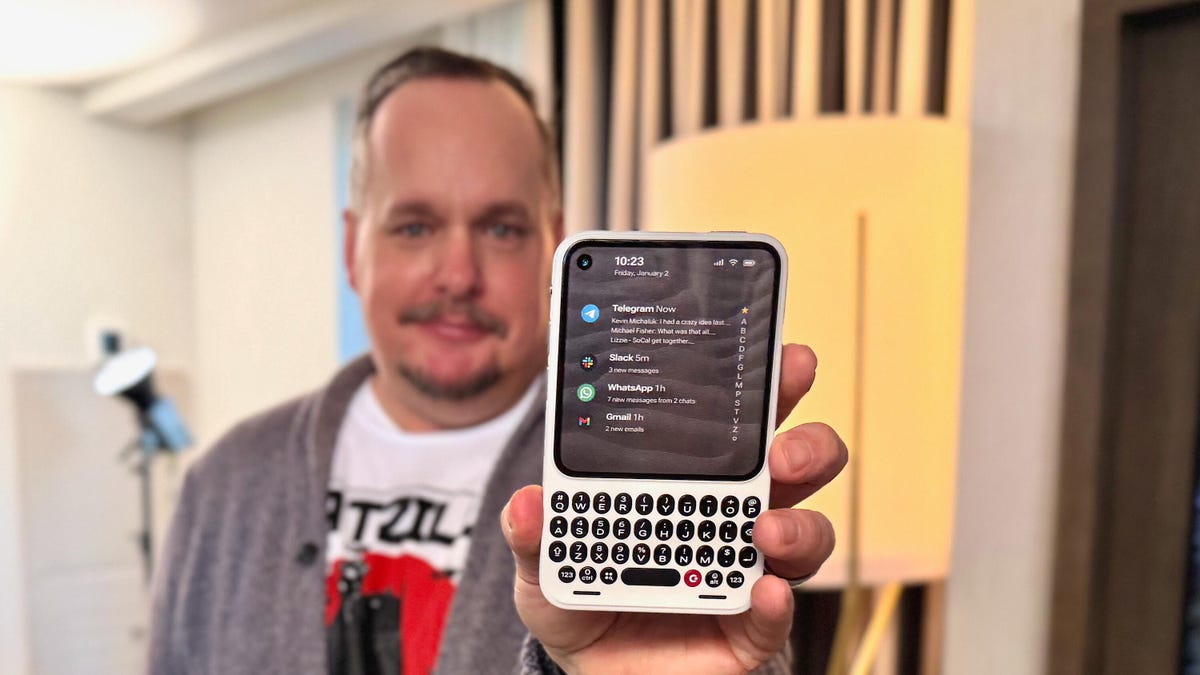
Beyond BlackBerry: Modern Physical Keyboards for iPhone & Android
Remember the satisfying click of a BlackBerry keyboard? Or the ingenious slide-out QWERTY of a Palm Treo or T-Mobile Sidekick? For years, the sleek, uninterrupted glass slab of modern smartphones dominated our pockets, relegating tactile typing to a nostalgic memory. However, a quiet but distinct revolution is underway: the
phone keyboard comeback. This isn't just wishful thinking; a growing number of companies are breathing new life into physical keyboards, catering to both sentimental longing and a genuine demand for more efficient mobile input. Whether you're an iPhone loyalist or an Android enthusiast, the good news is you might not even need a new phone to get those clicky buttons back. Recent announcements at tech expos like CES and Mobile World Congress, including plans for devices to be showcased at CES 2026, signal a vibrant future for physical phone keyboards.
The Resurgence of Tactile Typing: Why Now?
The precise moment the pendulum began to swing back towards physical keyboards is hard to pinpoint, but several compelling factors are driving this resurgence. Perhaps the most significant is the evolving role of our smartphones. For many, a phone is no longer just a communication device; it's their primary computing hub. We're now drafting long emails, editing extensive documents, managing complex spreadsheets, and even writing code – all from the palm of our hand.
While on-screen keyboards have improved dramatically, they still come with inherent limitations. The absence of physical feedback often leads to slower typing, more errors, and the persistent frustration of autocorrect gone rogue. This constant battle can be fatiguing. Physical keys, on the other hand, offer:
*
Tactile Feedback: The undeniable satisfaction of a key press registering with a physical click or slight resistance. This provides a sensory confirmation that your input has been received, enhancing accuracy and speed.
*
Improved Accuracy: Muscle memory takes over, allowing you to type without constantly staring at the screen, reducing typos and the need for corrections.
*
Comfort and Ergonomics: For extended typing sessions, physical keys can be significantly more comfortable and less strenuous on your thumbs and wrists than tapping on a flat surface.
*
Screen Real Estate: A virtual keyboard eats up a considerable portion of your screen. A physical keyboard frees up that space, allowing you to view more content while you type.
Beyond practicality, there's a strong desire for variety. The smartphone market, while innovative in cameras and processing power, can feel somewhat monotonous in its core form factor. The immense popularity of flip and folding phones highlights a collective yearning for devices that simply *feel* different. A physical keyboard offers a tangible distinction, appealing not only to an older generation who fondly recall their BlackBerry days but also to a younger demographic increasingly drawn to the unique charm of retro tech. The blend of nostalgia and novel functionality is a potent combination for this
QWERTY Renaissance.
Navigating the Modern Landscape: Types of Physical Keyboards for Your Phone
The beauty of the current
phone keyboard comeback is the diversity of solutions available, meaning you don't necessarily have to ditch your current device.
Keyboard Cases: The Most Accessible Option
For most users, a keyboard case is the simplest way to inject some tactile typing into their modern smartphone experience. These accessories typically snap onto your iPhone or Android device, offering a compact, integrated keyboard.
*
Slide-Out Designs: Echoing the glory days of devices like the T-Mobile Sidekick, some cases feature a hidden keyboard that slides out from beneath your phone. This design keeps your phone sleek when not in use.
*
Always-On/Snap-On Keyboards: Others offer a permanently attached keyboard, often at the bottom, which might make your phone taller but provides instant access.
*
Connectivity: Most keyboard cases connect via Bluetooth, while some more advanced options might use a direct USB-C or Lightning connection for lower latency and no separate charging.
*
Pros: Portability, instant typing access, often backlit for low-light use, and generally more affordable than a dedicated keyboard phone.
*
Cons: Adds bulk and weight to your phone, may require separate charging, and key travel might be shallower than on a dedicated device.
Companies are actively developing these, with new models announced and improved designs constantly emerging from accessory manufacturers.
Modern BlackBerry Clones and Revivals
For those who crave the classic BlackBerry form factor, the situation is a bit more nuanced. BlackBerry itself exited the hardware business in 2020 and discontinued software services in 2022. This means you won't find a brand-new BlackBerry straight from the factory.
However, the spirit lives on. You can still find older TCL-made BlackBerry devices like the KeyOne or Key2 on the secondary market. While these offered a fantastic typing experience, their Android versions are now significantly outdated, limiting app compatibility and security. Trying to run modern apps on older models like the BlackBerry Classic Q20 from 2015 can be a patience-testing exercise in sideloading.
This is where innovators like Zinwa come in. They are pioneering a fascinating approach: acquiring old BlackBerry hardware, replacing the outdated internals with modern components, and installing a current version of Android. This effectively creates a "new" phone with the beloved BlackBerry body and physical keyboard, but with contemporary performance and app support. It's a testament to the enduring appeal of the BlackBerry design and a direct answer to the calls for a true
phone keyboard comeback for purists.
Dedicated Keyboard Phones (Niche Players)
Beyond cases and revived classics, a few niche players are emerging with entirely new smartphone designs that integrate physical keyboards. These devices are often born from crowdfunding campaigns or specialized startups, targeting specific user bases who prioritize typing above all else. While these might not achieve mainstream popularity, they represent the ultimate commitment to the physical keyboard experience, offering optimized hardware and software integration.
External Bluetooth Keyboards: The Flexible Power User's Choice
While not a "phone keyboard" in the integrated sense, a high-quality, compact Bluetooth keyboard paired with a phone stand can transform your smartphone into a mobile workstation. This setup offers:
*
Superior Typing Experience: Often larger keys, better key travel, and more comfortable ergonomics than most phone-attached solutions.
*
Versatility: Can be used with multiple devices (phone, tablet, laptop).
*
Affordability: A good portable Bluetooth keyboard can be a cost-effective solution for those who only need a physical keyboard occasionally.
This option is particularly appealing for professionals who regularly type long documents or emails on the go but don't want the added bulk of a permanent keyboard case.
Choosing Your Clicky Companion: Tips for Embracing the QWERTY Renaissance
Embracing the
phone keyboard comeback means finding the right solution for your needs. Here are some practical tips to guide your choice:
1.
Assess Your Typing Habits: How often do you type long emails, messages, or documents on your phone? If it's a daily occurrence, a dedicated keyboard solution (case or a revival device) might be worthwhile. For occasional use, a portable Bluetooth keyboard could suffice.
2.
Consider Your Current Phone: Is your device a popular model? Keyboard cases are more readily available for iPhones and top-tier Android flagships. For less common phones, an external Bluetooth keyboard is likely your only option.
3.
Form Factor Preference: Do you prioritize a sleek phone, even if it means attaching a keyboard when needed? Or do you prefer an always-present keyboard, accepting the added bulk? Slide-out cases offer a good compromise.
4.
Key Travel and Feel: If possible, try before you buy. The "feel" of a keyboard is highly personal. Look for decent key travel and a satisfying tactile response. Online reviews often discuss this in detail.
5.
Battery Life and Connectivity: For keyboard cases, check if they draw power from your phone or have their own battery. If the latter, how long does it last, and how is it charged? Bluetooth connectivity should be reliable.
6.
Backlighting: For typing in low-light conditions, a backlit keyboard is a must-have feature.
7.
Budget: Solutions range from affordable Bluetooth keyboards to premium keyboard cases and potentially higher-priced revived BlackBerry devices. Set a budget before you start looking.
8.
Research and Reviews: With new products constantly entering the market, stay updated. Tech websites, YouTube channels, and user reviews are invaluable resources for evaluating performance and durability.
The
phone keyboard comeback isn't just a fleeting trend; it's a response to a real need for enhanced productivity and a desire for diverse mobile experiences. While the iconic BlackBerry may be a relic of the past, its spirit of tactile efficiency lives on, offering a refreshing and highly functional alternative to the pervasive touchscreen. Whether you're yearning for nostalgia or simply seeking a more efficient way to interact with your primary digital companion, exploring the modern world of physical keyboards for your iPhone or Android device is an exciting prospect.